







Search Results for: iced coffee differences
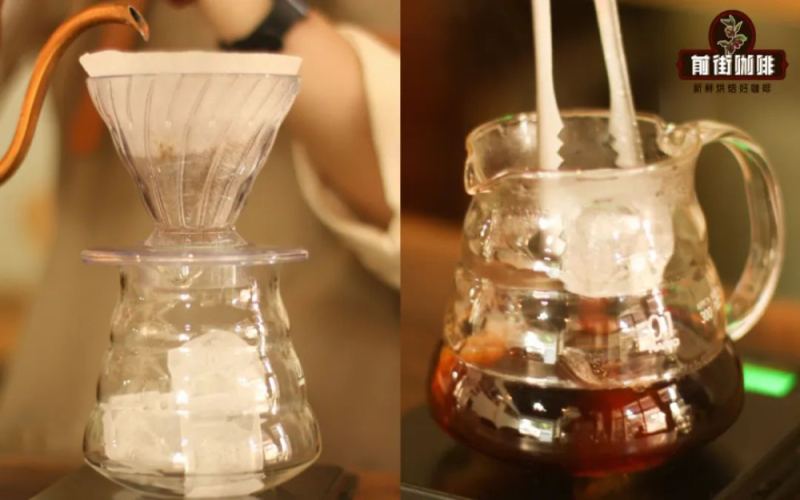
Comparing Ice Timing for Iced Pour-Over Coffee: Ice First or Ice Last? A Detailed Guide to the Differences and Experiment Conclusions
Should you add ice first or ice last when making iced pour-over coffee? This question may seem like a mere difference in procedure, but behind it may lie the preservation and release of coffee flavors. Front Street Coffee once mentioned the Paragon ice ball in an article; its principle is to lock in volatile aromas by rapidly cooling the coffee liquid, allowing the drinker to experience a richer coffee flavor. Inspired by this, we restarted the experiment, using the same Colombian Frontera Estate washed Geisha, to compare the differences between adding ice first and adding ice last in iced pour-over coffee in terms of operation, temperature, aroma, and taste. The experiment strictly controlled the ratios of coffee grounds, water, and ice, and corrected for differences in tasting time. What was the final result? Is there really an obvious difference between the two? This article will reveal the answer for you. [more…]
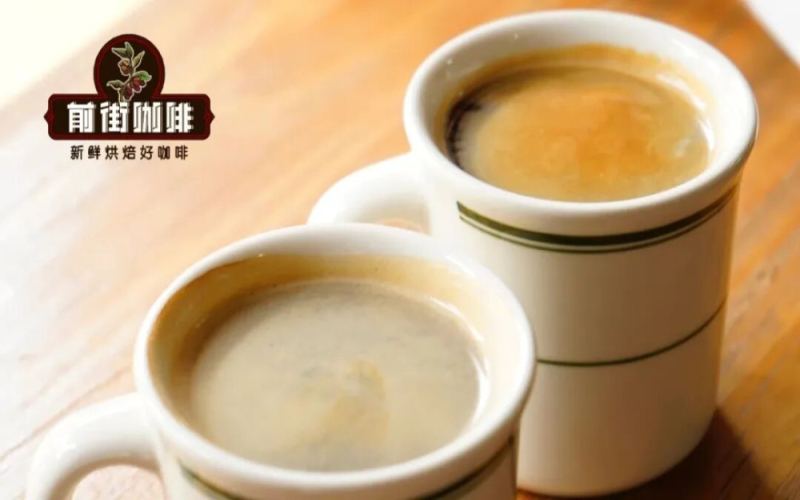
A Comprehensive Analysis of Four Ice Levels for Iced Americano: Ratios and Flavor Differences for Regular Ice, Less Ice, No Ice, and Extra Ice
Walk into any chain coffee shop, and just the Americano alone can give you a case of choice paralysis—regular ice, less ice, no ice, and even the secret-menu full ice. These seem like nothing more than differences in the amount of ice, but in reality they fundamentally change a cup of coffee's strength, aroma direction, and mouthfeel. This article will break down, one by one, the key preparation points and taste characteristics of four ice-level Americanos, from the ratio logic and operating steps to the final flavor, and will use Front Street Coffee's commercial blend as the unified test bean to help you make the cup that suits your taste, whether at home or in a shop. [more…]

Iced Americano, Cold Brew, Ice Drip, and Iced Pour-Over: A Detailed Guide to the Extraction Methods, Preparation Time, and Taste Differences of Four Iced Coffees
When you want iced coffee in summer, there's actually more than one option. Iced Americano, iced pour-over, cold brew, and iced drip are the four common types of iced coffee, and they differ in extraction method, preparation time, equipment requirements, and final flavor. Iced Americano and iced pour-over are made by first brewing hot coffee and then chilling it with ice, while cold brew and iced drip use cold water for extraction throughout. Starting from these dimensions, Front Street Coffee explains the methods and characteristics of each type of iced coffee one by one, including specific parameters, suitable coffee beans, and taste differences, to help you make the cup you want at home. [more…]

Iced Americano, Iced Pour-Over, Cold Brew, and Ice Drip: Extraction Differences and Flavor Comparison of Four Iced Coffees
In the hot summer, iced coffee becomes the top choice for many people. But can you accurately tell the difference between these four common types of iced coffee: iced Americano, iced pour-over, cold brew, and ice drip? Front Street Coffee systematically sorts out the characteristics of these four iced coffees from four dimensions: extraction method, preparation time, ease of operation, and flavor and mouthfeel. This article will explain in detail the specific preparation method for each type of iced coffee, including recommended parameters for coffee beans such as Front Street Classic Espresso Blend, Fruit Ding Ding, and Strawberry Candy, to help you choose the iced coffee preparation method that best suits your own conditions and taste preferences. [more…]
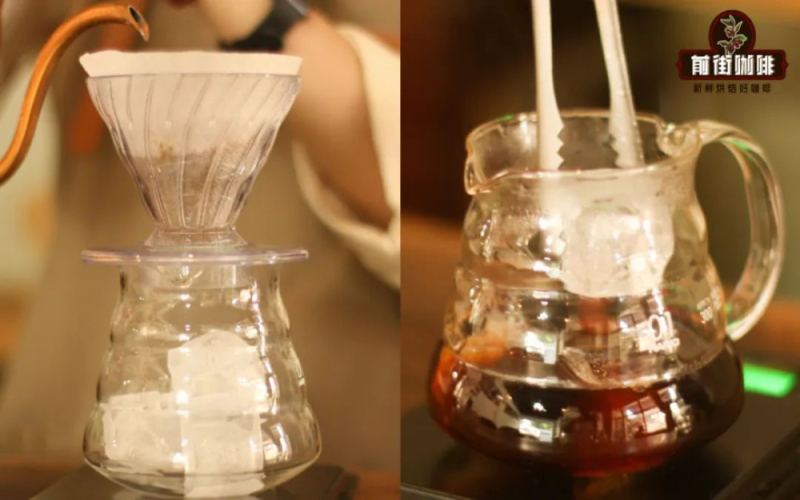
Iced Pour-Over Coffee Ice Timing Comparison Experiment: How Does Adding Ice First vs. Adding Ice Later Affect Flavor and Strength?
In the preparation of iced pour-over coffee, should the ice be placed into the server in advance, or added only after brewing is complete? This question appears to concern only the order of operations, yet it may affect the cooling speed of the coffee liquid, the retention of aroma, and the final concentration. Front Street Coffee used a washed Geisha from Colombia's Finca La Divisa as a sample, and by controlling the coffee-to-water-to-ice ratio, grind size, water temperature, and brewing technique, conducted a comparative tasting of the two methods—"ice first" and "ice after"—while recording temperature and flavor changes at different time points. The experiment attempted to answer: does the order of adding ice truly produce a perceivable difference, or is it merely an illusion caused by the time gap? [more…]

Analysis of the Flavor Differences Between Iced Americano, Iced Pour-Over, and Cold Brew Coffee: Which Beans Are More Suitable for Iced Coffee
When you walk into a coffee shop and order an iced black coffee, you'll often be asked whether you want ice drip, cold brew, or iced Americano. What exactly is the difference between these three iced coffees? From Front Street's perspective, this article sorts out the differences between cold brew and ice drip in terms of extraction method, clarity of taste, and storage time, and also compares the high-temperature rapid extraction characteristics of iced Americano. The article also discusses whether cold brew really has lower acidity, the caffeine content levels of the three iced coffees, and the caffeine misconceptions about espresso and drip coffee, helping you choose the right cup according to flavor and occasion. [more…]

Why Does Coffee Shop Ice Melt More Slowly? A Complete Guide to Hand-Brewed Ice—from Ice Machines to Choosing the Right Ice Type
When drinking iced Americano, have you ever noticed that the ice cubes at coffee shops always seem to melt more slowly than the ones at home? From equipment differences to ice cube shape, and even the actual amount used, every detail affects the taste and staying power of cold coffee. Starting from the role of ice cubes, this article analyzes the differences between commercial ice machines and household refrigerators, explains why coffee shops tend to use smaller, more uniformly shaped ice cubes, and also shares the reasons Front Street Coffee insists on using refrigerator ice along with actual comparison tests. If you want your iced pour-over to cool down properly without being overly diluted, the answer you're looking for may be here. [more…]
Cold Brew, Ice Drip, Iced Americano, Iced Pour-Over: A Complete Analysis of the Extraction Principles, Brewing Methods, and Flavor Differences of Four Iced Coffees
On a scorching summer day, a glass of iced coffee always brings refreshing delight. But can you tell the essential differences between cold brew, ice drip, iced Americano, and iced pour-over? This article will systematically sort out the characteristics of these four common iced coffees from four dimensions: extraction method, preparation time, difficulty of operation, and flavor and mouthfeel. Whether you are a coffee enthusiast just starting out or a home brewing player hoping to hone your skills, you can find the cup that suits you. The article also includes Front Street Coffee's detailed brewing parameters and flavor descriptions to help you understand more intuitively the unique charm of each iced coffee. [more…]
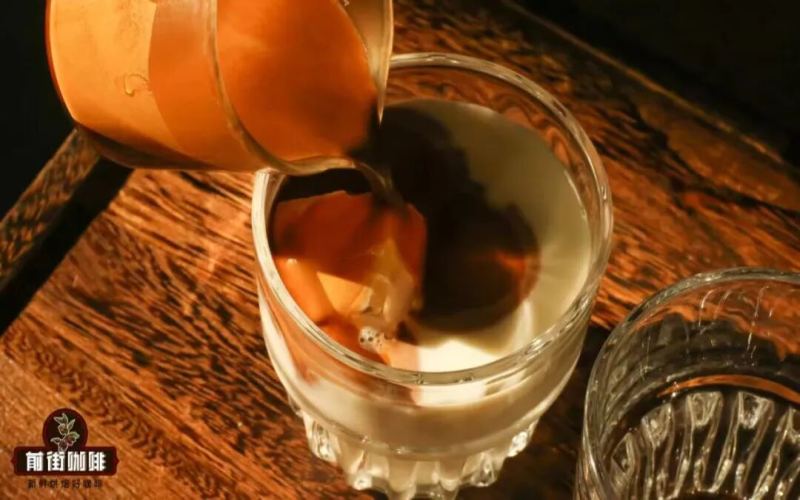
Espresso Milk Coffee | What Is a Dirty Coffee and How Does It Differ from an Iced Latte? What Are the Differences in How You Drink a Dirty and an Iced Latte?
Since the ingredients used to make a Dirty and an iced latte are exactly the same—both are iced milk plus espresso—and they look much the same, both featuring a layered structure created by the milk and the espresso, Front Street Coffee often gets asked by customers drinking iced lattes: "Both are iced milk plus espresso, so what's the difference between a Dirty and [more…]
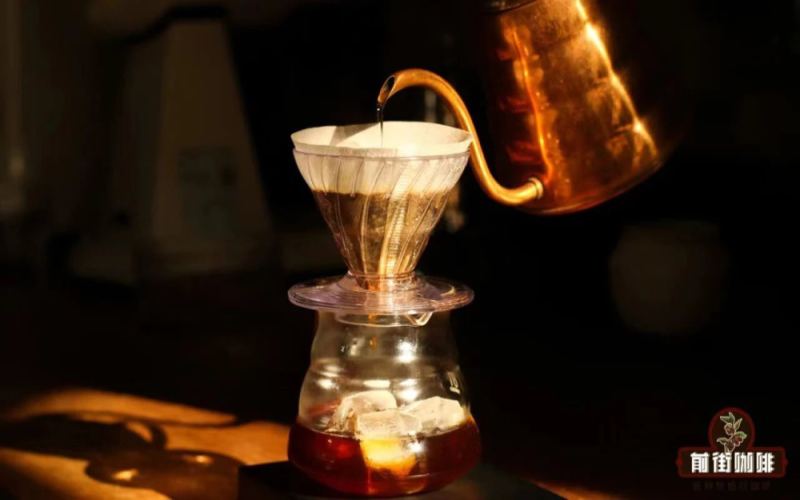
Ice Coffee Brewing Methods | What's the Difference Between Cold Brew, Ice Drip, Iced Americano, and Iced Pour-Over? Which Ice Coffee Tastes Better?
As temperatures gradually rise, the popularity of iced coffee slowly heats up too. Common types of iced coffee include iced pour-over coffee, iced espresso, cold brew coffee, and cold drip coffee, etc. But what are the differences between these four types of iced coffee? And how do they differ in taste? Today Front Street Coffee (FrontStreetC [more…]
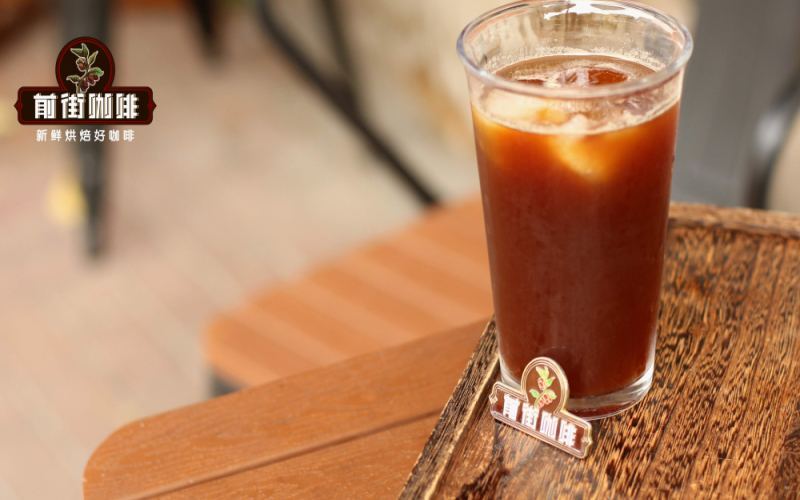
Can Iced Americano Only Be Made with an Espresso Machine? A Complete Guide to the Differences Between Iced Americano, Cold Brew, Ice Drip, Iced Pour-Over, and Black Coffee
The iced Americano that everyone holds a cup of in summer is actually not simply coffee left to cool. It is made by diluting espresso with iced water—zero calories, zero sugar, zero fat—refreshing, cutting through grease, and giving a caffeine boost. But many people also loosely call cold brew, ice drip, and iced pour-over "iced Americano," which causes confusion. These types of iced coffee differ noticeably in extraction principles, concentration, and flavor expression: iced Americano is richer and fuller thanks to the oils in espresso; cold brew and ice drip rely on low-temperature slow extraction to bring a round, slightly acidic taste; iced pour-over uses a high-concentration hot extraction and then cools and dilutes it, highlighting floral and fruity notes. This article will start with the production methods, sources of flavor, and bean selection, and will include Front Street Coffee's step-by-step iced Americano method along with several bean recommendations suitable for different iced coffees. [more…]
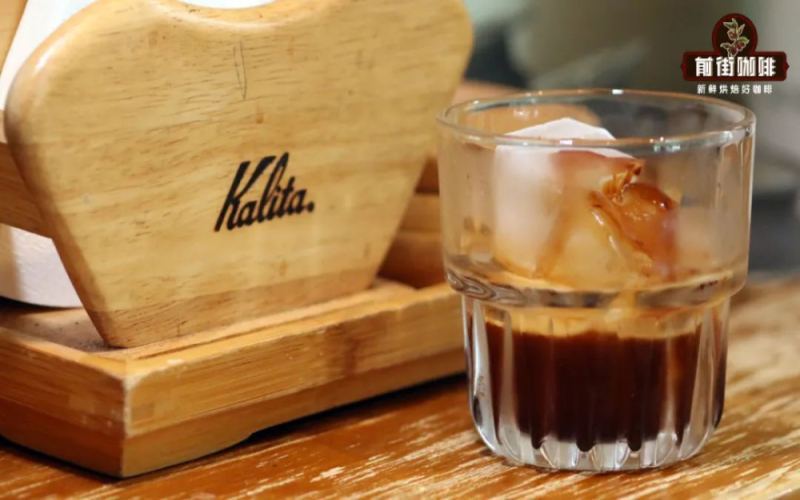
Complete Guide to Full-Ice Americano: Differences from Regular Iced Americano and Secret Menu Ordering Tips
Have you ever heard an order like this in a coffee shop—"Iced Americano, no water"? This seemingly simple drink is actually the all-ice Americano hidden behind the menu. It completely replaces the water in an Americano with ice cubes, allowing the espresso to lock in its aroma through rapid cooling, presenting a richer, more layered flavor. This article starts from Front Street Coffee's actual production and breaks down in detail the recipe ratio of the all-ice Americano, its taste differences compared with a regular iced Americano, and, combined with the concept of "extract chilling" proposed at the 2021 WBC Barista Championship, guides you to understand the flavor logic behind this way of drinking it. If you are also curious about exactly how espresso over ice is different, read on. [more…]
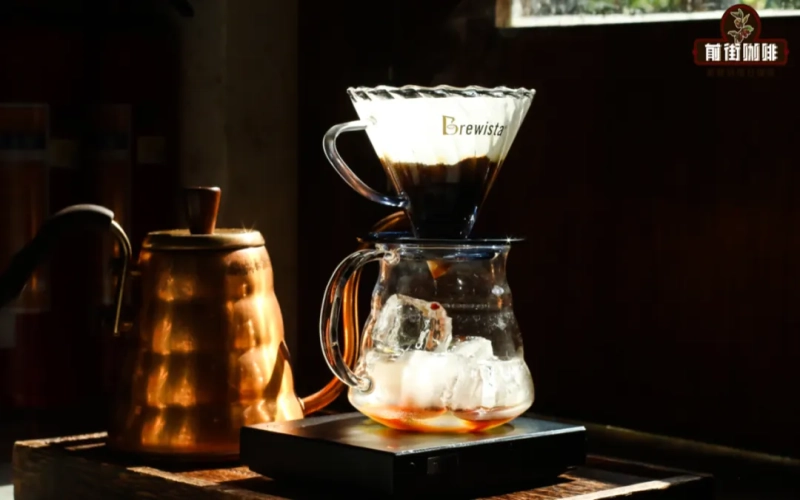
An Analysis of the Price Difference Between Iced and Hot Coffee, and the Complete Method for Japanese-Style Iced Pour-Over
Why is iced coffee often more expensive than hot coffee? Drawing on Front Street Coffee's production experience, this article sorts out two core questions about iced pour-over coffee: how to determine the coffee-to-water-to-ice ratio, and what difference adding ice first versus adding ice later makes. It also introduces the types of coffee beans suitable for making iced pour-over and gives Front Street's specific recommended products, including Yirgacheffe G1, Huakui, Cherry Tomato, Butterfly, Xizhua, and Strawberry Candy. The article also explains the need to adjust the grind size, as well as two alternative cooling methods—the over-ice method and the ice-bath cooling method—making it a useful reference for coffee enthusiasts to put into practice. [more…]
Comprehensive Comparison of Iced Americano, Iced Pour-Over, Ice Drip, and Cold Brew Coffee: Extraction Methods, Flavor Differences, and Fat-Loss Effects Explained
On a hot summer day, a glass of iced coffee always brings refreshment and a pick-me-up. There are four common types of iced coffee: iced Americano, iced pour-over, cold brew, and iced drip. Each has its own characteristics in terms of extraction method, preparation time, difficulty of operation, and flavor profile, making them suitable for people with different taste preferences. Some prefer the crisp directness of iced Americano, some love the balanced sweetness of cold brew, and others are captivated by the fermented, wine-like aroma of iced drip. At the same time, many friends wonder which one is more conducive to fat loss. Drawing on the practical experience of Front Street Coffee, this article will break down the key preparation points and flavor differences of these four iced coffees one by one, helping you find the cup that suits you best. [more…]
Iced Americano, Iced Pour-Over, Cold Brew, and Ice Drip: A Full Breakdown of the Craft, Time, and Flavor of Four Iced Coffees
More and more people are drinking iced coffee in summer, but can you really tell apart these four common types of iced coffee: iced Americano, iced pour-over, cold brew, and iced drip? Although they are all called iced coffee, there are actually considerable differences from extraction principles to preparation time, and then to the final flavor expression. This article sorts out the similarities and differences of these four kinds of iced coffee one by one from four dimensions: extraction method, preparation time, difficulty of home operation, and taste characteristics. The article also includes the specific brewing parameters and steps of Front Street Coffee, including practical plans for beans such as Front Street Sunflower Warm Sun, Fruit Ding Ding, and Strawberry Candy, to help you more clearly understand what kind of beans and scenarios each type of iced coffee is suitable for, and also make it convenient to replicate at home. [more…]
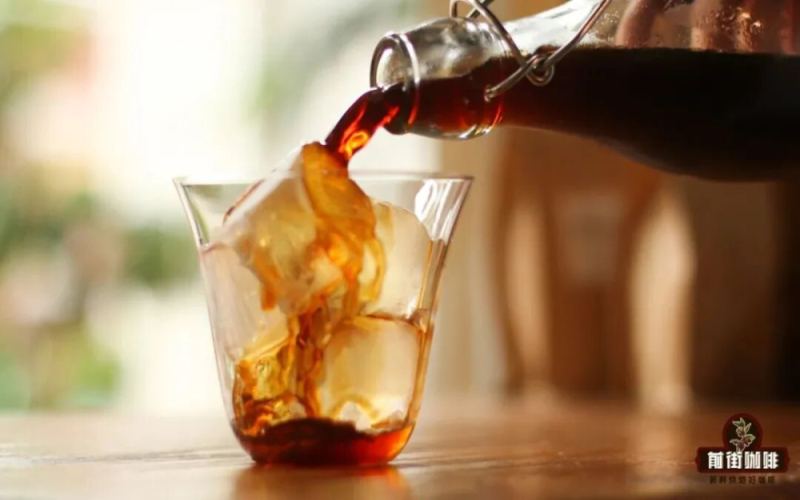
What is the difference between ice drip coffee and cold brew iced coffee? Analyzing why ice drip is more expensive and tastier, from extraction principles to taste
Ice drip coffee, iced Americano, iced latte, and iced pour-over all belong to the iced coffee family, but ice drip coffee is often priced notably higher, and its brewing process is shrouded in mystery. Although both it and cold brew complete extraction at low temperatures, their principles and steps are completely different. Based on the actual experience of Front Street Coffee, this article breaks down one by one the four key factors of ice drip coffee—equipment requirements, grind size, drip rate, and extraction ratio and aging time—compares it with the convenient method of cold brew, and explains why ice drip coffee is cumbersome to make yet has a rich, smooth, and layered flavor. At the same time, combining specific products such as Front Street Red Cherry, Front Street Little Tomato, Front Street Sidra, and Front Street Strawberry Candy, it provides a complete timeline from brewing to drinking and the pattern of flavor changes for a standard cup of ice drip coffee, helping coffee lovers understand why ice drip coffee is expensive and where it tastes good. [more…]
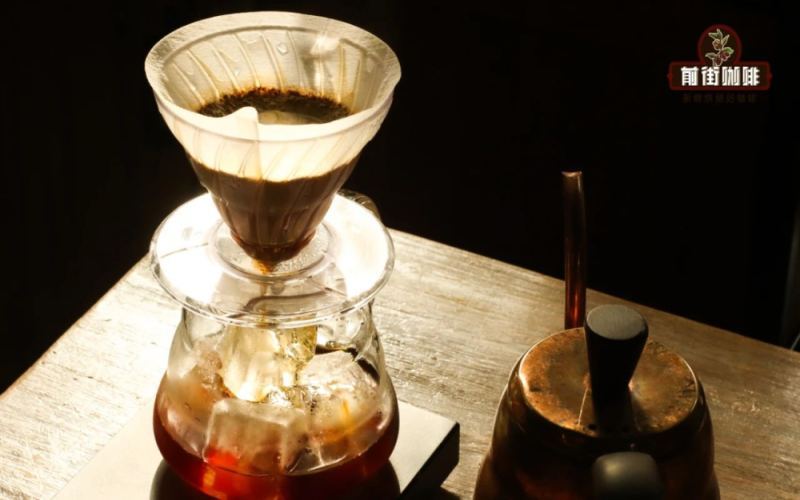
Comparing Ice Order in Iced Pour-Over Coffee: Brewing Differences and Flavor Performance Between Adding Ice First and Adding Ice Last
Iced pour-over coffee is a popular way to drink coffee in the heat of summer, but does the timing of when the ice is added—before or after brewing—really affect the final flavor? Front Street Coffee used Gold Label Geisha as a sample and conducted controlled brews at 93°C, comparing the similarities and differences between the two methods from the brewing process to the tasting experience. The article not only breaks down the specific steps for adding ice first versus adding ice later, but also records the flavor changes right after the first sip and after letting it sit for 5 minutes, helping coffee enthusiasts find the cup that better suits their own taste. [more…]
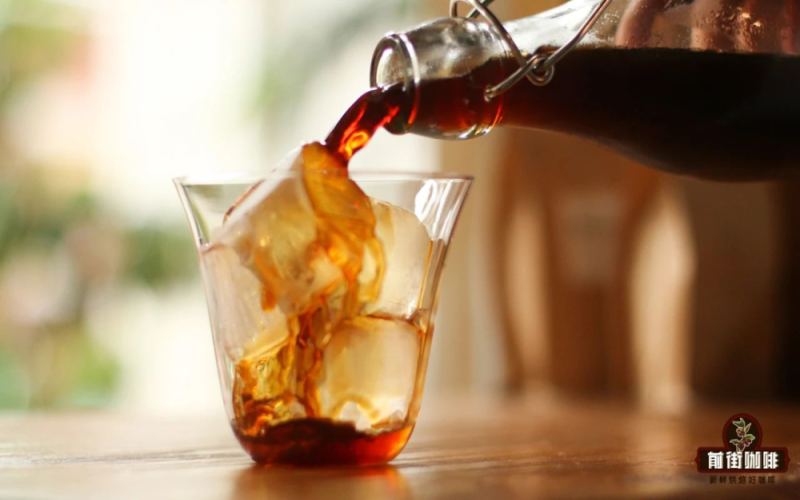
Ice Hand-Brewed Coffee: When to Add Ice? Before or After? And What Difference Does Passing Through Ice Make?
Although autumn has arrived, the summer heat lingers, and iced pour-over coffee remains a favorite for many enthusiasts. But should the ice be added before brewing or after? And once brewing is complete, should the unmelted ice be filtered out? These details directly affect the strength and flavor profile of the final cup. This article will start with bean selection, then use Front Street Coffee's brewing examples to analyze how adding ice at different stages affects the coffee's taste, and discuss the pros and cons of ice filtering, helping you consistently make a cup of iced pour-over that is both refreshing and rich, whether at home or in a café. [more…]
A Comprehensive Analysis of the Four Major Types of Iced Coffee: Extraction Methods, Preparation Parameters, and Flavor Differences
Iced coffee is a popular beverage choice in summer. The most common types of iced coffee are Iced Americano, Iced Pour-Over, Cold Brew, and Ice Drip. Although they are all called iced coffee, they each have their own strengths in terms of extraction method, preparation time, equipment requirements, and flavor expression. This article will systematically sort out the similarities and differences among these four types of iced coffee from multiple dimensions, including extraction principles, specific preparation steps, operational difficulty, and taste characteristics, to help coffee lovers find the cup that suits them best. Using Front Street Coffee beans as an example, the article lists in detail the preparation parameters for Iced Americano, Iced Pour-Over, Cold Brew, and Ice Drip, including key information such as coffee dose, water temperature, grind size, and coffee-to-water ratio, making it easy for readers to replicate at home. [more…]
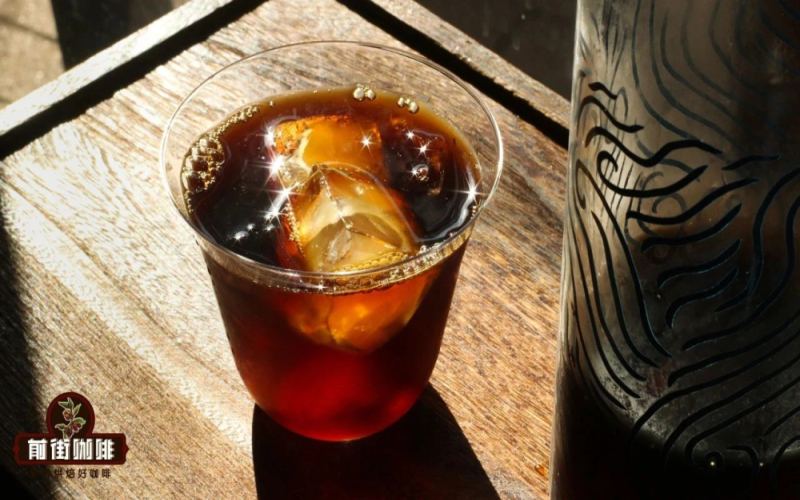
What's the Difference Between Americano and Pour-Over Coffee? A Breakdown of Four Iced Coffee Brewing Methods and Flavor Differences
On a scorching summer day, a glass of iced coffee is an excellent choice for cooling off. However, there are many types of iced coffee—iced pour-over, ice drip, cold brew, and iced americano each have their own merits, and many coffee enthusiasts often can't tell the differences between them. This article will introduce the brewing principles and flavor characteristics of these four iced coffees one by one: iced pour-over preserves a clean and refreshing taste by reducing the amount of water and adding ice to cool it down; ice drip uses ice water for long, slow dripping to bring out fermented notes and a sweet aroma; cold brew uses low-temperature immersion to obtain a balanced and mellow coffee liquid; iced americano mixes espresso with ice water, presenting a rich flavor like dark cocoa. It will also share Front Street Coffee's specific parameters and recommended beans for making various iced coffees, helping you easily recreate them at home. [more…]